When Do Cats and Dogs Need X-Rays?

When Do Cats and Dogs Need X-Rays? A Pet Owner’s Guide from Clover Hill Animal Hospital in Flemington
If you have ever worried that your dog or cat might need an x-ray, you are not alone. Pet owners often wonder what goes on behind the scenes when their veterinarian recommends imaging, and what to expect if their beloved animal needs this important diagnostic tool. At Clover Hill Animal Hospital, located at 240 US 202, Flemington, NJ 08822, we understand how much you care about your pet’s health and well-being. Our team of veterinarians is dedicated to providing clear answers and compassionate, comprehensive care for dogs, cats, and even exotic pets throughout Flemington and surrounding communities.
In this guide, we will walk you through the most common reasons dogs and cats need x-rays (also called radiographs), what the process involves, and how our veterinary team uses advanced digital radiology to uncover hidden health issues. You will also learn the signs that indicate your pet may benefit from imaging, what to expect during your visit, and how to make the most informed decisions for your companion’s care. Whether you are facing a sudden health concern or your pet needs a routine check as part of their ongoing wellness plan, we are here to help answer your questions every step of the way.
Recognizing When Your Dog or Cat Might Need X-Rays
Many pet owners first encounter the need for x-rays when their dog or cat is experiencing symptoms that are not easily explained by a physical examination alone. X-rays are a valuable diagnostic tool that allows your veterinarian to see inside your pet’s body, helping to uncover issues that are not visible from the outside.
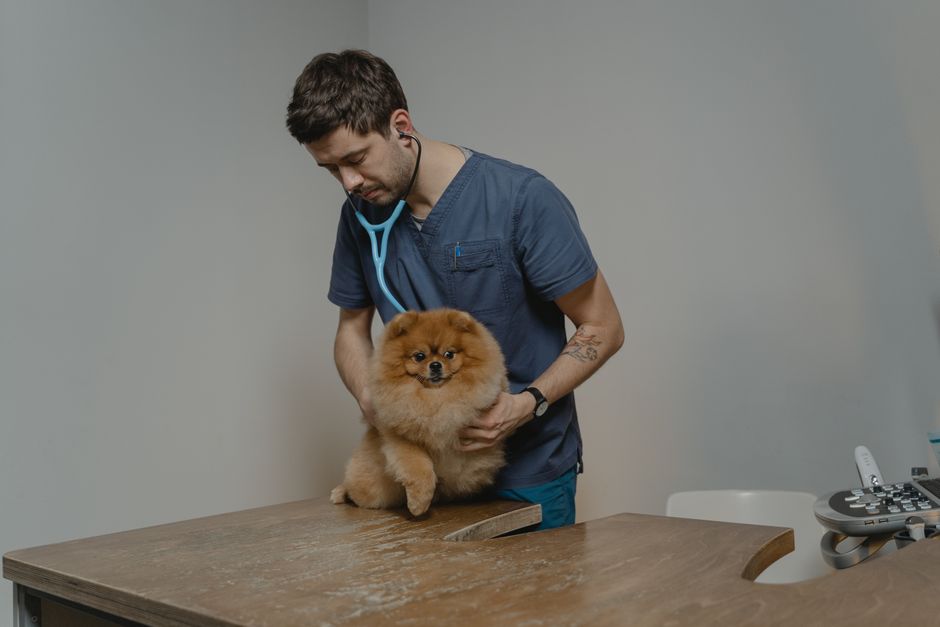
Key signs that may prompt your veterinarian to recommend x-rays include persistent coughing, unexplained limping or lameness, difficulty breathing, abdominal swelling, or sudden changes in appetite and weight. For example, if your dog starts favoring one leg on walks or your cat becomes less active and reluctant to jump, these subtle changes can indicate underlying bone or joint problems that x-rays can help diagnose. Additionally, symptoms such as vomiting, diarrhea, or straining to urinate may signal internal issues like bladder stones, intestinal blockages, or organ enlargement.
Sometimes, x-rays are part of routine wellness care, especially for senior pets or breeds at higher risk for certain conditions. If your veterinarian finds a suspicious lump, dental disease, or heart murmur during a comprehensive exam, imaging provides valuable information to guide the next steps in care. Our goal at Clover Hill Animal Hospital is always to catch problems early and create a personalized plan to keep your pet healthy and comfortable.
Why Do Pets Need X-Rays? Understanding the Underlying Causes
Veterinarians rely on x-rays to investigate a wide variety of concerns in both dogs and cats. The reasons for imaging can range from acute injuries to chronic health conditions, with each scenario requiring a tailored approach.
Bone and joint problems are among the most common reasons for canine and feline x-rays. Fractures, joint dislocations, arthritis, and hereditary conditions such as hip dysplasia are easier to diagnose when your veterinarian can visualize the structures involved. In cases of trauma, such as a fall or being struck by a car, x-rays are essential for assessing internal damage and planning the best treatment.
Internal issues are another key area where radiographs play a crucial role. Your veterinarian may recommend imaging if your pet is showing signs of heart disease, such as coughing or exercise intolerance, as x-rays can reveal changes in the size and shape of the heart and lungs. Similarly, if your cat or dog is having trouble urinating or shows signs of abdominal discomfort, x-rays help identify bladder stones, tumors, or gastrointestinal blockages.
Dental disease is a hidden threat for many pets. Dental x-rays, a specialized form of imaging, are vital for uncovering tooth root infections, abscesses, and jawbone changes that are not visible during a routine oral exam. If your pet needs a dental cleaning or is showing signs of mouth pain, our team may use dental radiography to ensure every aspect of your companion’s oral health is addressed.
What Happens When Your Pet Needs X-Rays? The Imaging Process Explained
If your veterinarian at Clover Hill Animal Hospital recommends x-rays, you can feel confident knowing your pet will be in caring, experienced hands. We use state-of-the-art digital radiology to provide clear, detailed images with minimal stress for your pet.
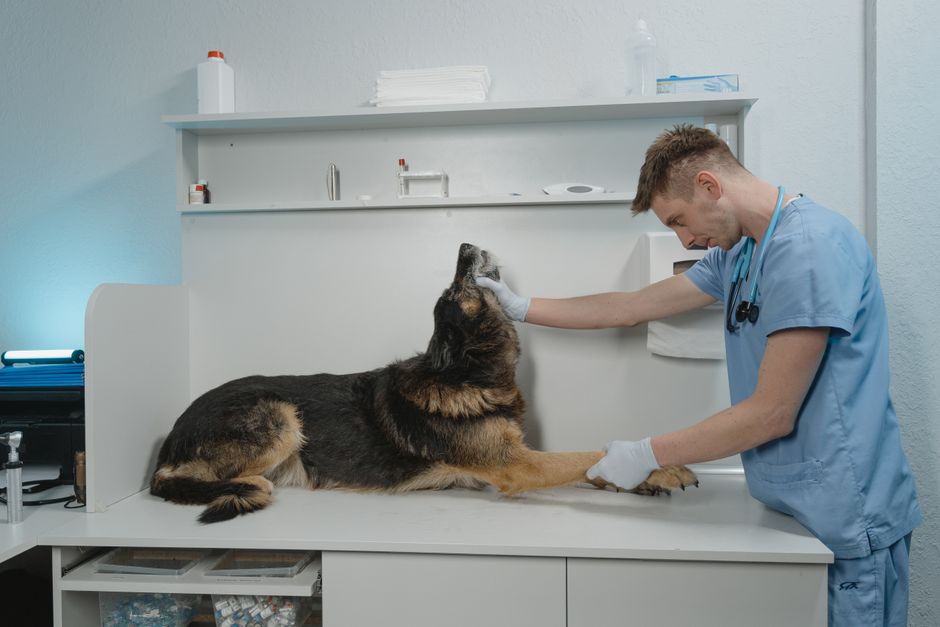
During the imaging process, your dog or cat will be gently positioned on a padded table to ensure accurate results. In most cases, sedation is not necessary; however, for pets who are anxious, in pain, or need to remain very still for dental or complex imaging, your veterinarian may suggest a mild sedative for comfort and safety. The entire procedure is quick, with each x-ray taking just a few seconds. Our veterinary professionals prioritize your pet’s well-being throughout the process, using gentle handling and calm reassurance.
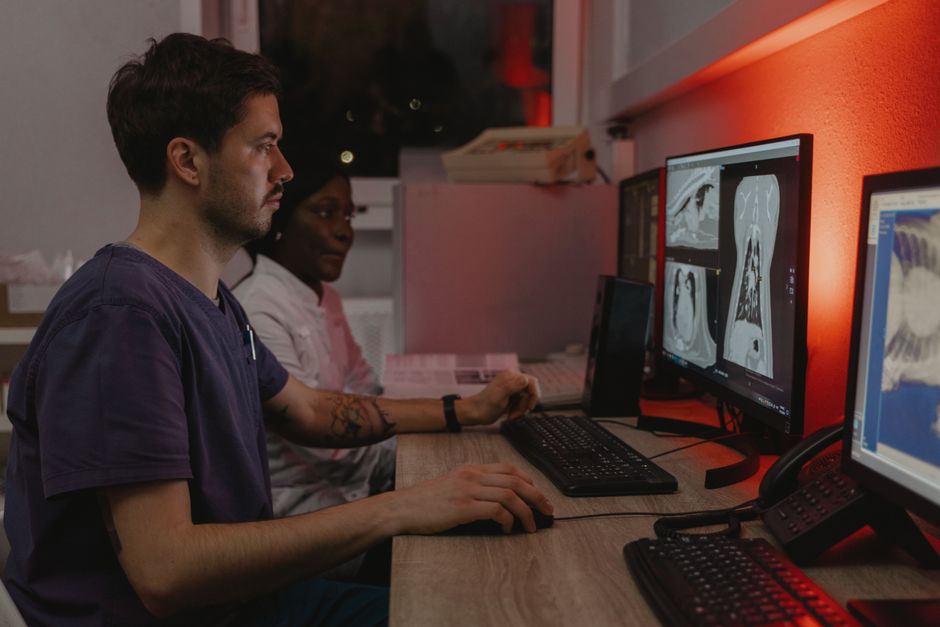
Once the images are taken, your veterinarian will review them with you and discuss what they reveal about your pet’s condition. In some cases, additional imaging such as ultrasound may be recommended for a more comprehensive view, especially if soft tissue organs are involved. If surgery or a specialized procedure is needed, we will discuss these options and answer any questions you have about your pet’s treatment plan.
Treatment and Management: Next Steps After Your Pet’s X-Ray
After your pet’s x-rays are complete, the next steps depend on what the images reveal. If a fracture or orthopedic injury is detected, your veterinarian will outline surgical or non-surgical options to restore function and reduce pain. For example, some injuries may require splinting, casting, or surgical repair, while others can be managed with rest and pain relief.
If internal problems such as bladder stones or gastrointestinal blockages are found, treatment options may include dietary changes, medication, or surgery to remove the obstruction. Heart and lung conditions revealed by x-rays often call for long-term medical management and lifestyle adjustments to keep your pet comfortable.
Dental problems identified through imaging are typically addressed with professional cleaning, tooth extraction, or other dental procedures to eliminate infection and discomfort. Our veterinary team is committed to providing clear explanations and compassionate support so you can make informed decisions about your pet’s care.
For more information about advanced diagnostic options available to your pet, you can explore our veterinary diagnostic laboratory services and additional imaging options such as veterinary ultrasound imaging.
Supporting Your Pet at Home: Prevention and Early Detection
While some health issues are impossible to predict, there are several steps you can take at home to help catch problems early and support your dog or cat’s overall well-being. Regular observation is key; pay attention to changes in your pet’s activity level, appetite, litter box or bathroom habits, and general demeanor. Early indicators such as subtle limping, reluctance to jump, or changes in breathing should be brought to your veterinarian’s attention as soon as possible.
Scheduling routine wellness care for your pet is one of the best ways to ensure that any developing issues are identified and addressed promptly. During these visits, your veterinarian may recommend screening x-rays for senior pets, breeds with known health risks, or those with a previous history of injury or illness. Preventive dental care, including regular cleaning and home brushing, can help reduce the risk of hidden dental disease that may require imaging.
Keeping your pet at a healthy weight, providing regular exercise, and maintaining a safe home environment are also important strategies for preventing injuries and supporting long-term health. If you are ever unsure about a change in your pet’s behavior or health, reaching out to your veterinary team for guidance can make a significant difference.
When to Seek Veterinary Care: Knowing the Right Time for Imaging
It can be difficult to know when your pet’s symptoms warrant immediate veterinary attention. In general, if your dog or cat is experiencing difficulty breathing, severe pain, persistent vomiting or diarrhea, inability to urinate, sudden paralysis, or has suffered trauma, contact your veterinarian right away. These signs may indicate a serious underlying problem that requires prompt diagnosis and treatment, often beginning with x-rays.
Even if your pet’s symptoms seem mild or come and go, it is always better to err on the side of caution and schedule an appointment for evaluation. Early intervention often leads to better outcomes and can prevent complications down the line. At Clover Hill Animal Hospital, our compassionate veterinary professionals are ready to answer your questions and provide guidance tailored to your pet’s unique needs. If your pet is facing an emergency, please call us as soon as possible so we can prepare for your arrival and ensure your companion receives timely care.
Your Local Resource for Pet X-Rays and Veterinary Imaging in Flemington
At Clover Hill Animal Hospital, we believe that every pet deserves access to compassionate, high-quality veterinary care. Whether your dog or cat needs x-rays due to an injury, illness, or as part of a preventive health plan, our team of veterinarians is here to support you throughout the process. We understand that having questions about your pet’s health can be stressful, which is why we are committed to providing clear communication and personalized care for every family we serve.
If you are searching for a "vet near me" in Flemington or the surrounding communities, look no further than our trusted team at 240 US 202, Flemington, NJ 08822. To schedule an appointment or discuss your concerns, call us at (908) 806-4525. Our veterinary professionals are here to answer your questions, provide the imaging services your pet needs, and help you make the best decisions for your companion’s health.
For more information about our digital radiology and other diagnostic capabilities, visit our page on digital radiology services for dogs and cats. When your pet needs expert care and advanced diagnostics, Clover Hill Animal Hospital is proud to be your trusted partner in keeping your furry family members healthy and happy.
Medical disclaimer: The information in this blog is intended for general educational purposes and should not replace professional veterinary advice. If your pet is experiencing symptoms or you have concerns about their health, please consult with your veterinarian directly for specific guidance.