Why Heartworm Testing Matters for Dogs and Exotic Pets

Why Heartworm Testing Matters for Dogs and Exotic Pets
Keeping your beloved companion animals safe from preventable diseases is at the heart of what we do at Clover Hill Animal Hospital. Located in Flemington, NJ, our veterinary team knows that heartworm disease remains a real threat for dogs and certain exotic pets throughout the region. Whether you share your home with an energetic Labrador, a curious ferret, or a playful indoor cat, understanding why routine heartworm testing is so important can make all the difference in your companion’s lifelong health. In this blog, we’ll explore why heartworm testing is a crucial part of preventive care, how it works, which animals are at risk, and why regular screening at Clover Hill Animal Hospital offers peace of mind for caring owners in Flemington and surrounding communities. If you’re looking for reliable information about heartworm testing and local veterinary expertise, you’re in the right place.
Recognizing the Need: Who Should Have Heartworm Testing?
Heartworm disease is transmitted primarily by mosquitoes, which are common in New Jersey from spring through late fall. While most people associate heartworm risk with dogs, certain exotic pets—especially ferrets—can also become infected. Indoor pets are not immune; mosquitoes can easily enter homes through open doors and windows, putting all at-risk animals in danger. Key signs that may prompt concern include a mild persistent cough, reluctance to exercise, unexplained tiredness, decreased appetite, or weight loss in dogs. In ferrets, symptoms may appear as rapid breathing, lethargy, or even sudden collapse. Unfortunately, heartworm disease often develops silently, with symptoms appearing only after significant damage has occurred. This is why proactive heartworm testing is essential, even if your animal appears healthy.
If you’ve recently adopted a new dog or exotic pet, or if your pet has missed a dose of heartworm prevention, testing becomes especially important. Yearly screening ensures that any infection is detected early, enabling timely intervention and reducing the risk of life-threatening complications.
What Causes Heartworm Disease in Dogs and Exotic Pets?
Understanding the cause of heartworm disease helps clarify why testing is so vital. The disease is caused by the parasitic worm Dirofilaria immitis, which is carried by mosquitoes. When a mosquito bites an infected animal, it picks up microscopic larvae, which are then transmitted to another animal during a subsequent bite. Over the course of several months, these larvae mature into adult worms that live in the heart, lungs, and associated blood vessels, causing serious damage and potentially leading to heart failure or death.
While dogs are natural hosts for heartworms, ferrets are also highly susceptible. In fact, even a single heartworm can be deadly for a ferret due to their small size and sensitive cardiovascular system. Cats can also become infected, but they are less common hosts; when infection does occur, it can be difficult to diagnose and may result in respiratory symptoms or sudden death. Because of the unpredictable nature of transmission, regular heartworm testing is the best line of defense for your animal’s health.
How Heartworm Testing Works: What to Expect
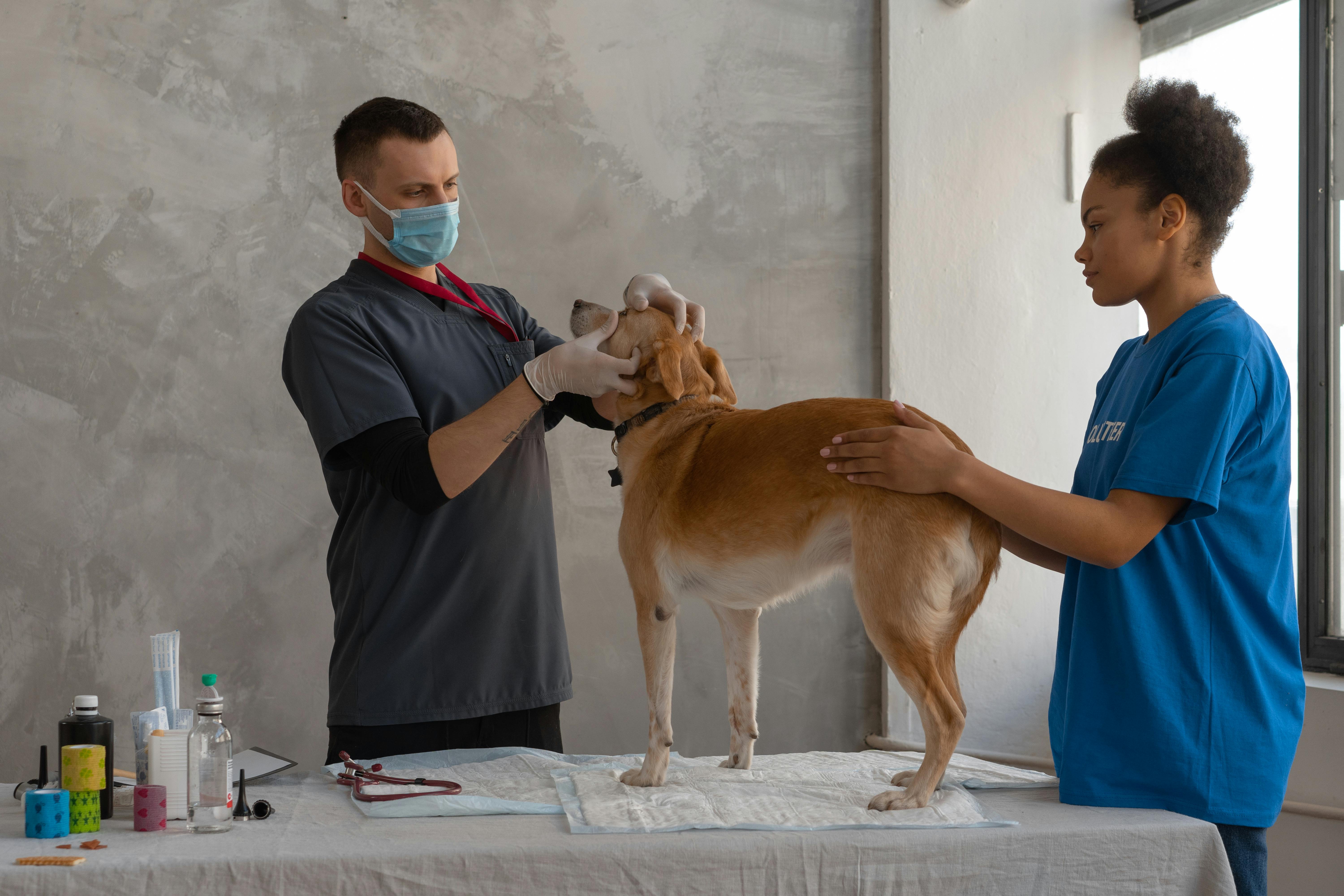
When you bring your dog or exotic pet to Clover Hill Animal Hospital for heartworm testing, our veterinary team will guide you through a straightforward process. For dogs, testing typically involves a small blood sample, which is analyzed for the presence of heartworm proteins called antigens. This test can detect most infections as early as six months after exposure. For ferrets and cats, testing is more complicated; both antigen and antibody blood tests may be used, and results are interpreted alongside the animal’s medical history and clinical signs.
If a test comes back positive, our veterinarians will recommend further diagnostics—such as additional bloodwork, chest X-rays, or an ultrasound—to determine the extent of the infection and the best course of treatment. Early detection through routine heartworm testing can make a critical difference, as treating established heartworm disease is much more challenging than preventing it.
Our in-house laboratory allows us to process heartworm tests quickly, so you’ll have answers and peace of mind without long waiting periods. To learn more about our diagnostic capabilities, visit our page about our pet diagnostic lab.
How Often Should Heartworm Testing Be Performed?
For most dogs, annual heartworm testing is the gold standard, even if they are on year-round prevention. Missed or late doses of heartworm preventives can put your dog at risk, making regular testing even more important. Ferrets and at-risk exotic pets should also be screened annually or as recommended by your veterinarian. If you’ve missed a preventive dose or are unsure about your pet’s status, schedule a heartworm test promptly to ensure their safety.
Prevention Is Key: Keeping Your Animals Safe at Home
While heartworm disease is serious, the good news is that it’s largely preventable. Monthly heartworm preventives—available as oral tablets, topical applications, or injections for dogs—are highly effective when administered consistently. For ferrets and certain exotic pets, your veterinarian will recommend species-appropriate preventive medications based on the latest guidelines and your animal’s lifestyle.
Maintaining a proactive approach to wellness includes more than just giving medication; it means keeping up with annual wellness exams, following your veterinarian’s advice on parasite control, and ensuring your animal’s environment is as mosquito-free as possible. Even indoor pets benefit from preventive care, since mosquitoes can enter homes and pose a risk regardless of where your animal spends most of their time.
If you want to take a comprehensive approach to your animal’s health, consider scheduling a wellness examination at Clover Hill Animal Hospital. These exams allow our veterinary professionals to tailor preventive plans to your companion’s unique needs, ensuring coverage for heartworm and other common threats.
When to Seek Veterinary Care for Heartworm Concerns
If you notice signs such as persistent coughing, difficulty breathing, fainting, or significant fatigue in your dog or exotic pet, contact our veterinary team immediately. These may be signs of advanced heartworm disease, which requires urgent intervention. Even if your animal appears healthy, it’s important to stay up-to-date on annual heartworm testing and preventive medication. Lapses in prevention, travel to high-risk areas, or changes in your animal’s health status all warrant a timely heartworm test.
For newly adopted pets, especially those with unknown preventive histories, a heartworm test should be scheduled as soon as possible. Prompt action can mean the difference between a simple preventive measure and a complex, costly treatment plan.
Why Choose Clover Hill Animal Hospital for Heartworm Testing in Flemington?
Our veterinary professionals understand how much you care about your companions. At Clover Hill Animal Hospital, we bring years of experience, compassion, and advanced diagnostic tools to every appointment. From routine heartworm testing to year-round preventive care and support for exotic pets, our team is committed to keeping your beloved animals healthy. We serve Flemington and surrounding communities, offering convenient appointment times and personalized attention for every patient.
Whether you’re a first-time dog owner, an experienced ferret enthusiast, or simply want to ensure your animal receives the best possible care, we’re here to help you navigate every step of the heartworm prevention process. If you’re searching for a trusted "veterinarian near me" who truly understands the needs of dogs, cats, and exotic pets, look no further than Clover Hill Animal Hospital.
Take the Next Step: Schedule Heartworm Testing Today
Protecting your animal from heartworm disease is a simple step that can have lifelong benefits. Regular heartworm testing, combined with effective prevention and ongoing veterinary care, is the foundation of a happy, healthy life for your companion. Our team is here to answer your questions, address your concerns, and provide the comprehensive care your animal deserves.
To schedule a heartworm test or wellness exam, call us at (908) 806-4525 or visit us at 240 US 202, Flemington, NJ 08822. You can also learn more about our heartworm testing services and wellness care options online. Let Clover Hill Animal Hospital be your local partner in preventive care and peace of mind—because every animal deserves the best protection possible.