What to Expect During a Dog Dental Exam


What to Expect During a Dog Dental Exam
Maintaining your dog’s dental health is just as important as caring for their coat, weight, or heart. You may wonder what actually happens during a dog dental exam, especially if your veterinarian has recommended one or you’ve noticed your dog’s breath is less than fresh. At Clover Hill Animal Hospital, located at 240 US 202 in Flemington, NJ, our team of veterinarians is dedicated to providing compassionate, comprehensive care for dogs of all ages and breeds. In this article, we’ll walk you through what to expect during a professional dog dental exam, why dental care is vital for your pet’s overall health, and how we can help ensure those canine smiles stay bright and healthy.
Whether you’re new to pet ownership or have shared your life with dogs for years, understanding the dental exam process can help you make informed decisions for your pet’s wellbeing. We’ll cover signs your dog may need a dental checkup, common causes of dental disease, what happens during the exam, home care tips, and when it’s time to schedule an appointment. For those interested in advanced dental treatments, we also offer professional dental cleanings for your pet, dental repair, and dental radiography right here in Flemington and surrounding communities.
Recognizing When Your Dog Needs a Dental Exam
Pet owners often wonder how to tell if their dog needs dental attention. Unlike people, dogs rarely show obvious signs of dental discomfort until a problem has advanced. Some subtle and not-so-subtle symptoms may indicate it’s time for a dog dental exam. These signs include persistent bad breath, which is often the first clue for many families. You might also notice red or swollen gums, visible tartar buildup on the teeth, reluctance to chew toys or harder kibble, and drooling more than usual. In some cases, dogs may paw at their mouth or show changes in eating habits, such as dropping food or chewing on one side of the mouth.
Other warning signals to watch for are bleeding from the mouth, loose or missing teeth, and swelling around the jaw or face. Some dogs with dental disease develop behavioral changes such as irritability or withdrawal, as chronic oral discomfort can affect their mood. If you spot any of these issues, it’s a good idea to schedule a dental appointment with our veterinary team at Clover Hill Animal Hospital. Early detection of dental problems can prevent more serious complications and help keep your pet comfortable and healthy.
Understanding the Causes of Canine Dental Disease
Dental disease is one of the most common health problems seen in dogs, affecting pets of all ages but especially those over three years old. The primary cause of dental disease is plaque, a sticky film of bacteria that forms on your dog’s teeth after eating. If not removed by regular brushing or professional cleaning, plaque hardens into tartar, which can lead to inflammation of the gums (gingivitis) and eventually progress to periodontal disease.
Contributing factors include the type of food your dog eats, their age, genetics, and even chewing habits. Dogs that primarily eat soft foods are more prone to plaque buildup compared to those who regularly chew on appropriate dental toys or kibble. Certain breeds, especially smaller dogs or those with crowded teeth, are at a higher risk for dental issues. Lack of regular home care and infrequent professional cleanings also accelerate the development of dental disease.
Left untreated, dental disease can affect more than just your dog’s mouth. Bacteria from infected gums and teeth can enter the bloodstream, impacting organs such as the heart, liver, and kidneys. This is why regular dental exams and cleanings are a crucial part of your dog’s preventive healthcare plan.
What Happens During a Dog Dental Exam at Clover Hill Animal Hospital
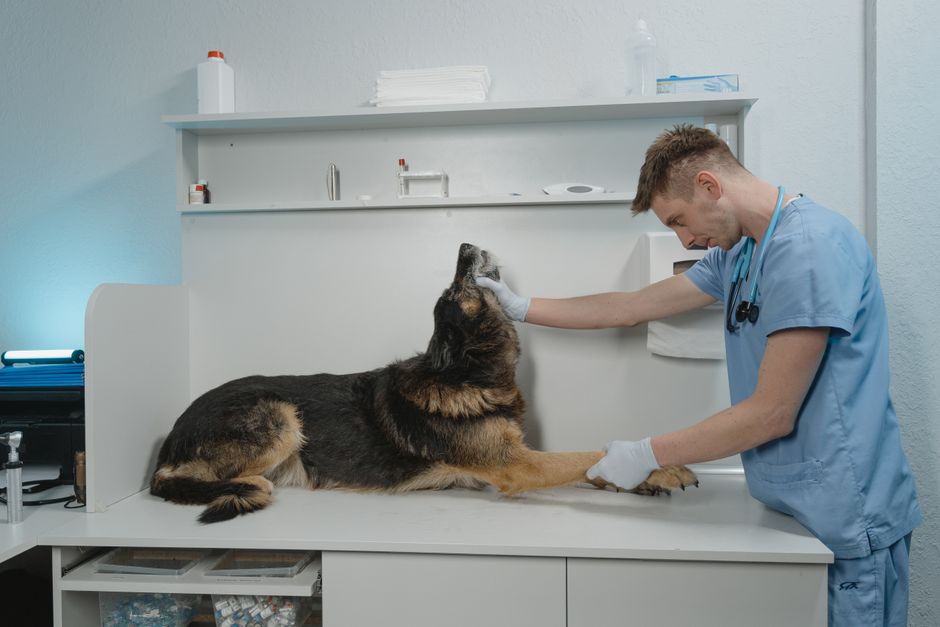
When you bring your dog in for a dental exam at Clover Hill Animal Hospital, our veterinarians start by reviewing your pet’s health history and any concerns you may have noticed at home. The initial oral assessment involves a thorough visual inspection of your dog’s teeth, gums, tongue, and mouth. We look for signs of plaque and tartar accumulation, gum inflammation, recession, bleeding, loose or broken teeth, and oral masses or growths.
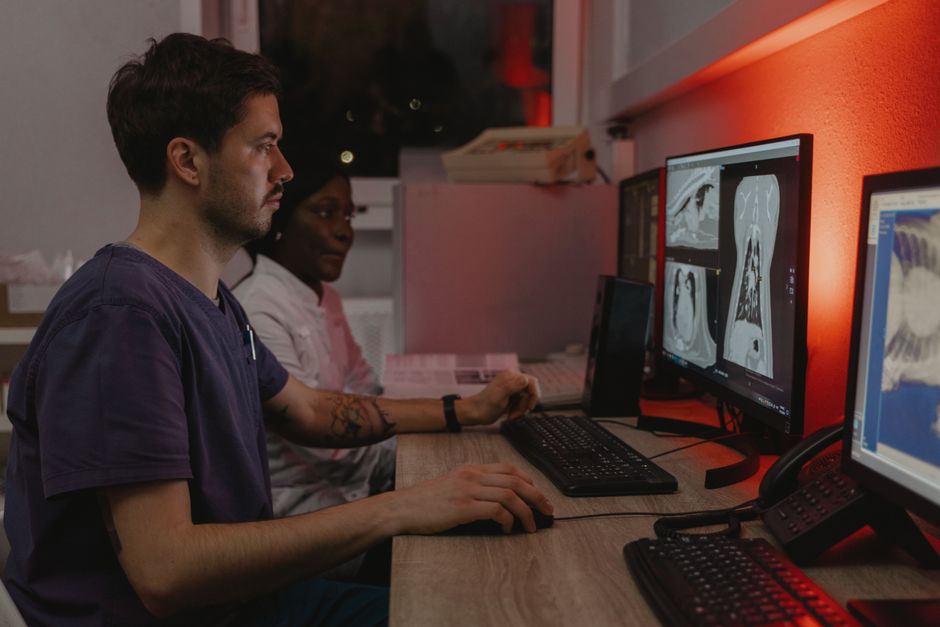
Depending on your pet’s comfort and cooperation, we may gently check for areas of pain or swelling. Our team of veterinary professionals also evaluates your dog’s overall oral health, noting any areas that may require further investigation. For a more comprehensive assessment, dental radiography may be recommended. This allows us to see below the gumline and identify problems not visible during the visual exam, such as root abscesses, bone loss, or impacted teeth. If you’re interested in learning more, our practice offers advanced dental radiography for pets as part of our commitment to thorough care.
If we identify issues that need attention, such as fractured teeth, severe periodontal disease, or oral tumors, we’ll discuss treatment options with you. In some cases, a professional dental cleaning under anesthesia may be advised to address tartar buildup and evaluate the teeth more closely. We also provide dentistry and oral surgery services for pets for situations that require more advanced intervention.
Throughout the exam, our goal is to keep your dog as comfortable as possible while gathering the information we need to make the best recommendations for their health. We encourage you to ask questions and voice any concerns, as your partnership is invaluable in maintaining your pet’s wellbeing.
Caring for Your Dog’s Teeth at Home
While professional dental care is essential, home care plays a vital role in preventing dental disease and extending the benefits of cleanings. Brushing your dog’s teeth regularly is the most effective way to reduce plaque buildup. Using a toothbrush and toothpaste made for dogs, daily brushing is ideal, but even a few times a week can make a significant difference. For those new to brushing, patience and gradual introduction can help your dog acclimate to the process; sometimes starting with just your finger or a soft cloth is helpful.
Dental chews, treats, and toys designed to promote oral health can also assist in keeping teeth clean. Choose products approved by the Veterinary Oral Health Council (VOHC) when possible. Additionally, providing appropriate chew toys encourages natural cleaning through chewing action. Maintaining a healthy diet and offering water additives or oral rinses recommended by your veterinarian can further support dental hygiene.
It’s important to remember that while these steps are beneficial, they do not replace the need for regular veterinary dental exams and professional cleanings. Dogs with advanced dental problems or those prone to oral disease may require more frequent checkups and specialized care from our veterinary team.
When to Schedule a Professional Dog Dental Exam
Knowing when to seek veterinary dental care is crucial in preventing painful and costly complications. If your dog displays any of the signs previously discussed, such as bad breath, red or bleeding gums, loose teeth, or changes in eating or behavior, it’s time to contact your veterinarian. Even if your dog seems healthy, we recommend a dental exam at least once a year as part of their routine wellness plan.
Puppies and senior dogs may need more frequent assessments due to developmental changes or age-related risks. If you are adopting a new pet, scheduling a dental checkup provides a baseline for future care and helps address any pre-existing issues. Our team at Clover Hill Animal Hospital welcomes dogs from Flemington and surrounding communities and is always happy to answer your questions about dental health.
For those wondering, “How do I find a vet near me who offers comprehensive dental care?” Clover Hill Animal Hospital is equipped to provide everything from basic exams to advanced dental procedures, ensuring your furry family member receives the best possible care.
The Importance of Regular Dog Dental Exams: Protecting Your Pet’s Health
Regular dog dental exams are a cornerstone of preventive veterinary medicine, safeguarding your pet’s comfort and long-term health. By identifying problems early, addressing them promptly, and supporting home care routines, you can help your dog avoid unnecessary pain and complications. Our team of veterinarians at Clover Hill Animal Hospital is committed to partnering with you in every aspect of your dog’s dental care journey.
If you have questions about your dog’s dental health, wish to schedule an exam, or are interested in professional dental cleanings for your pet, we invite you to reach out. Our compassionate veterinary professionals are here to serve pets and their families throughout Flemington and the surrounding area. When searching for a veterinarian near me, know that our expertise, advanced technology, and dedication to gentle care set us apart.
To schedule your dog dental exam or discuss any concerns about your pet’s oral health, please call us at (908) 806-4525 or visit our hospital at 240 US 202, Flemington, NJ 08822. Let us help your dog enjoy a healthy mouth and a happier life—one tail wag at a time.
This article is for informational purposes only and is not a substitute for professional veterinary advice. If you are concerned about your pet’s health, please contact our veterinary team or your local veterinarian for personalized guidance. For further reading on veterinary dental health, visit the American Veterinary Dental College.