Shedding Season Care Tips for Cats, Dogs, and Exotics


Shedding Season Care Tips for Cats, Dogs, and Exotics
As spring warms into early summer here in Flemington, many animal lovers find themselves surrounded by tufts of fur, wisps of hair, and a seemingly endless flurry of shedding. If you share your home with dogs, cats, or exotic pets, you may notice seasonal changes in their coats that leave both you and your vacuum working overtime. Shedding is a natural process, but it can quickly become overwhelming if not managed proactively. At Clover Hill Animal Hospital, located at 240 US 202, Flemington, NJ 08822, our team of veterinarians helps families in Flemington and surrounding communities navigate the challenges of shedding season with expert advice, compassionate care, and a wide range of grooming and health services tailored for dogs, cats, and exotic companions.
In this blog, we will explore why animals shed, how to distinguish between normal and concerning shedding, and the best grooming and nutrition strategies to keep your companions looking and feeling their best. We will also highlight when a seasonal shed could signal an underlying health issue and how our veterinary team can support you with everything from routine wellness checks to specialized advice for exotics. Whether you are contending with clouds of cat hair, dog fur tumbleweeds, or the unique molting cycles of birds and small mammals, you will find actionable solutions and reassurance here.
Recognizing Shedding Patterns in Dogs, Cats, and Exotics
Understanding what is normal for your animal is the first step toward effective shedding management. Dogs and cats typically experience the heaviest shedding in the spring and fall, as their bodies adjust to temperature and daylight changes. Many owners notice increased hair on furniture, clothing, and bedding during these times. For dogs, especially those with double coats like Huskies, Golden Retrievers, or German Shepherds, the seasonal "blowout" can be dramatic, with large clumps of undercoat coming loose over several weeks. Cats, too, may shed more as the weather warms, although indoor cats exposed to artificial lighting may shed at lower levels year-round.
Exotic pets, including rabbits, ferrets, guinea pigs, and birds, have their own unique shedding or molting cycles. Rabbits may undergo partial or full molts, which can last for days or even weeks. Birds, such as parrots and cockatiels, routinely lose and regrow feathers, while reptiles like snakes and lizards shed their skin periodically. In all species, it is important to recognize the difference between normal seasonal changes and symptoms that could indicate a health problem.
Warning signs to watch for include bald patches, redness or sores on the skin, excessive scratching or biting, changes in appetite, and a sudden increase in shedding outside of the typical seasonal pattern. If you notice any of these issues, it is wise to schedule a wellness examination so our veterinary professionals can rule out allergies, parasites, or underlying medical conditions.
Why Do Animals Shed? Understanding the Causes
Shedding is a natural, biologically driven process that allows animals to get rid of old, damaged, or excess hair or feathers. Dogs and cats shed to maintain healthy skin and regulate body temperature; their coats become thicker in winter for insulation and thin out in spring to prevent overheating. The amount and frequency of shedding can vary based on breed, age, health, and whether your companion lives primarily indoors or outdoors.
In exotic animals, the reasons for shedding or molting are equally important. Birds molt to replace worn feathers and maintain flight and insulation abilities. Small mammals like rabbits and guinea pigs shed to adjust to seasonal changes and keep their fur in good condition. Reptiles shed their skin to allow for growth and remove external parasites or debris.
However, excessive or abnormal shedding can be triggered by more than just seasonal changes. Contributing factors include poor nutrition, stress, skin infections, external parasites such as fleas or mites, hormonal imbalances, and chronic health conditions. For example, a dog or cat with a diet lacking essential fatty acids may develop dry, brittle fur that sheds more readily. Likewise, an exotic pet in an environment with improper humidity or temperature may have trouble completing a normal molt or shed. Understanding these potential causes allows our veterinarians to provide targeted solutions that address both the symptoms and the underlying issues.
Managing Shedding: Professional Care and Home Strategies
There is no way to eliminate shedding completely, but with the right approach, you can keep it manageable and support your animal’s health. Our veterinary team at Clover Hill Animal Hospital offers comprehensive care for cats, dogs, and exotic pets, including guidance on grooming routines, dietary recommendations, and medical interventions when necessary.
Professional Grooming and Veterinary Support
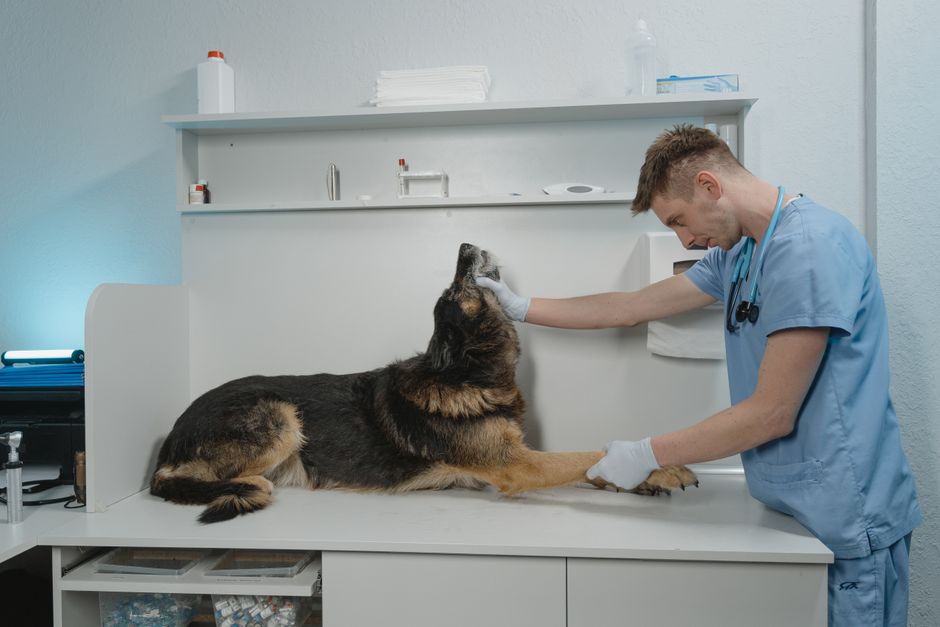
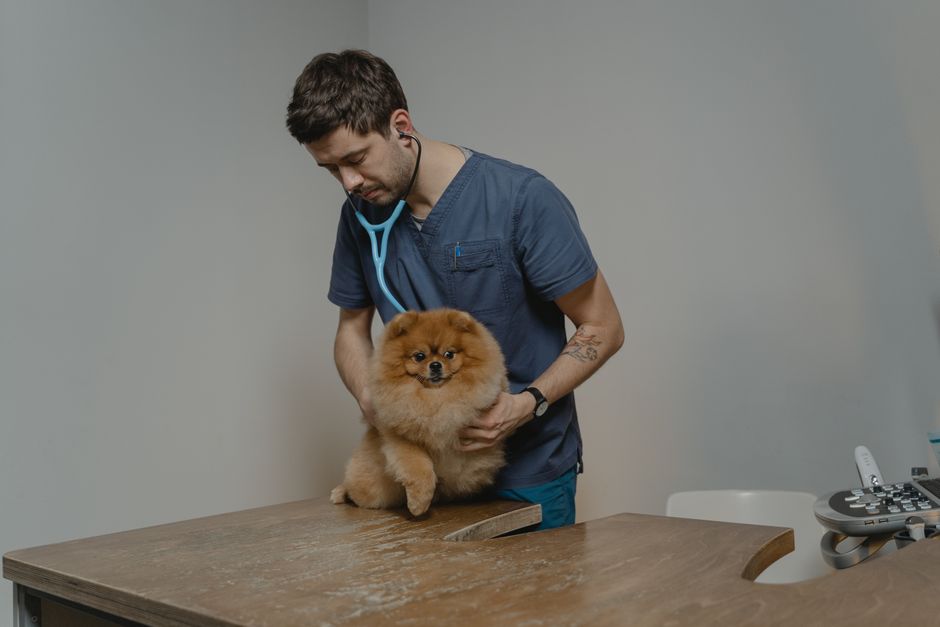
Regular grooming is one of the most effective ways to control shedding. For dogs, brushing several times a week with an appropriate brush or undercoat rake helps remove loose hair before it ends up around your home. Cats benefit from frequent brushing as well, especially long-haired breeds prone to mats and tangles. Our veterinarians can advise you on the best grooming tools and techniques for your animal’s coat type, and we are happy to demonstrate brushing methods during a wellness examination.
Exotic pets require specialized grooming care. Rabbits and guinea pigs should be brushed regularly to remove loose fur and prevent dangerous hairballs if they groom themselves excessively. Birds benefit from gentle misting and access to shallow dishes for bathing, which help loosen old feathers during a molt. Reptiles need proper humidity and habitat conditions to complete healthy sheds; our team can help you optimize your exotic’s environment and grooming routines.
Professional veterinary care is essential if you notice excessive shedding, bald spots, or skin changes. Our diagnostic tools allow us to check for skin infections, parasites, or hormonal imbalances. We can also assess your animal’s overall health and make recommendations for treatments, supplements, or medications as needed.
Nutrition and Its Role in Healthy Coats and Feathers
A balanced diet is fundamental for healthy skin and fur or feathers. Dogs and cats need high-quality protein and essential fatty acids, such as omega-3 and omega-6, which support coat health and minimize excessive shedding. Our veterinarians can recommend specific diets or supplements if your animal’s nutrition needs a boost.
Exotic animals have species-specific dietary requirements. For example, birds need a variety of seeds, pellets, fruits, and vegetables to ensure proper feather development, while rabbits and guinea pigs require abundant hay, fresh greens, and vitamin C-rich produce. If you are unsure whether your animal’s diet is meeting their needs, we encourage you to discuss nutrition during your next visit or wellness check.
Home Shedding Solutions: Daily Care for Your Animals
Tackling shedding at home involves a combination of grooming, environmental management, and attention to your animal’s comfort. Brushing your dog or cat regularly not only removes loose hair but also helps distribute natural oils, keeping skin supple and coats shiny. Vacuuming floors and furniture often, using washable covers on beds and sofas, and investing in air purifiers can minimize the impact of shedding on your home environment.
For exotics, gentle grooming sessions can become part of your daily routine. Rabbits and guinea pigs may require more frequent brushing during peak molting times. Birds appreciate opportunities for bathing and may benefit from increased humidity during a heavy molt. Reptiles may need additional misting, soaking, or environmental adjustments to aid the shedding process.
Always handle your animal gently during grooming, watch for signs of discomfort, and reward them for cooperation. If you are struggling with mats, tangles, or a reluctant groomer, our veterinary team is happy to provide hands-on support and advice tailored to your companion’s temperament and needs.
When to Seek Veterinary Care for Shedding Concerns
While most shedding is perfectly normal, there are times when it signals a need for professional attention. You should schedule a veterinary appointment if you notice sudden or severe hair loss, bald patches, persistent scratching or biting, red or inflamed skin, open sores, or signs of discomfort. These symptoms may indicate underlying issues such as allergies, parasites, infections, or metabolic conditions that require prompt diagnosis and treatment.
Exotic animals present unique challenges, as abnormal shedding or molting can be related to environmental stress, improper nutrition, or undiagnosed medical conditions. Birds with broken or missing feathers, rabbits who stop eating during a molt, or reptiles struggling to shed should be evaluated by a veterinarian experienced in exotic species. Our team at Clover Hill Animal Hospital can perform in-depth examinations, run diagnostic tests, and provide targeted therapies to address these complex cases.
If you are unsure whether your animal’s shedding is normal or problematic, the safest option is to consult with our veterinary professionals. We offer wellness examinations and home wellness exams for added convenience, ensuring your animal receives comprehensive care in the setting that works best for your family.
Keeping All Your Companions Comfortable: Special Considerations for Exotics
Caring for exotic animals during shedding or molting season requires a nuanced approach. Birds, for instance, may become cranky or lethargic during a heavy molt, while rabbits and guinea pigs can experience digestive upset if they ingest too much fur. Reptiles may hide or become less active as they prepare to shed. Providing proper nutrition, habitat enrichment, and gentle handling goes a long way toward supporting these unique animals.
Our veterinarians have extensive experience with a wide variety of exotic species and can help you understand your animal’s natural cycles, signs of normal versus abnormal shedding, and strategies for preventing complications. Whether you need advice on humidity levels for your gecko, safe bathing options for your parrot, or dietary tweaks for your guinea pig, we are here to guide you every step of the way.
Choosing the Right Veterinary Partner for Shedding Season
Managing shedding is a partnership between you and your veterinary team. At Clover Hill Animal Hospital, we take pride in building lasting relationships with families and their animals, providing education, preventive care, and hands-on support throughout every season. Our commitment to the well-being of dogs, cats, and exotics in Flemington and surrounding communities means you always have a trusted resource for expert advice and compassionate service.
If you are searching for a veterinarian near me who understands the unique needs of all your companions, look no further than our experienced veterinary professionals at Clover Hill Animal Hospital. We offer everything from routine wellness care to home wellness exams, separate feline exam rooms, and advanced diagnostics for exotic species.
Schedule Your Shedding Season Check-Up
Shedding season does not have to be a source of stress for you or your animals. With the right combination of regular grooming, balanced nutrition, and professional veterinary support, you can keep your home comfortable and your animals healthy all year long. If you have questions about your companion’s shedding, nutrition, or skin health, or if you are concerned about unusual symptoms, we invite you to schedule an appointment with our team of veterinarians.
Contact Clover Hill Animal Hospital at (908) 806-4525 or visit us at 240 US 202, Flemington, NJ 08822 to book your next visit. Our compassionate veterinary professionals are dedicated to helping every member of your animal family thrive, from dogs and cats to the most unique exotics. Discover the difference a caring, comprehensive approach can make during shedding season and beyond.