Orthopedic Surgery for Pets: What Flemington Owners Need to Know

Orthopedic Surgery for Pets: What Flemington Owners Need to Know
When your beloved pet struggles to walk, jumps less, or seems to be in pain, the thought of surgery can feel overwhelming. At Clover Hill Animal Hospital, located at 240 US 202, Flemington, NJ 08822, we understand how distressing orthopedic injuries can be for both pets and their families. Orthopedic surgery provides hope for dogs, cats, and exotic pets dealing with mobility issues or painful conditions, aiming to restore comfort and quality of life. This guide will help you understand when pet orthopedic surgery in Flemington is necessary, what procedures are available, and how our veterinary team supports you and your pet from diagnosis through recovery. Whether your pet has suffered a sudden injury or is managing a chronic joint condition, you’ll find answers, reassurance, and practical next steps here.
Throughout this blog, we’ll explore common signs of orthopedic problems, causes and risk factors, the range of surgical solutions available at Clover Hill Animal Hospital, and crucial information about aftercare. We will also highlight our commitment to comprehensive care, guiding you on how to schedule an appointment and what to expect when you trust your pet’s orthopedic care to our team. If you’re searching for a “vet near me” who offers advanced orthopedic services and compassionate, local support, our veterinary professionals are here for you. For a deeper look at our approach to orthopedic cases, you can also visit our orthopedic veterinary services for pets page.
Recognizing Orthopedic Problems in Pets: What to Look For
Many pet owners first notice subtle changes in their animal’s behavior before realizing an orthopedic issue may be brewing. Early recognition is key to ensuring timely intervention and the best outcome from pet orthopedic surgery in Flemington.
Common Symptoms of Orthopedic Issues
Pets can’t tell us when something hurts, so it’s important to watch for changes in mobility or comfort. Key symptoms include limping or favoring one leg, stiffness after resting, reluctance to jump or climb stairs, difficulty rising from lying down, and visible swelling around a joint or limb. Additionally, some pets may become less playful or avoid activities they once enjoyed due to discomfort. In more severe cases, sudden inability to bear weight or intense pain may signal a fracture or dislocation that requires urgent attention.
It’s also important to notice behavioral changes such as irritability or withdrawal, as these can indicate persistent pain. For cats, subtle signs such as grooming less, hiding more, or missing the litter box may point to joint or bone issues. For exotic pets, decreased activity or inability to perch or grasp objects can be a red flag. Understanding these warning signs can help you determine when to seek veterinary care for your pet in Flemington and surrounding communities.
Why Do Orthopedic Issues Happen? Understanding Causes and Risk Factors
Orthopedic conditions in pets can arise for a variety of reasons, and being aware of these can help you protect your companion.
Traumatic Injuries and Fractures
One of the most common causes of orthopedic problems is trauma. Accidents such as falls, being struck by a vehicle, or rough play can lead to fractures in dogs and cats, as well as dislocations or ligament tears. Young, active pets are particularly prone to these injuries, but even a slip on ice or a jump from a high surface can cause a significant problem.
Developmental and Degenerative Conditions
Some orthopedic concerns, like hip dysplasia or patellar luxation (knee cap dislocation), develop as a result of genetics or abnormal joint development. These conditions often become more noticeable as pets grow or age and may be more common in certain breeds. Degenerative joint diseases, such as arthritis, can also lead to chronic pain and reduced mobility.
Other Contributing Factors
Carrying excess weight puts additional strain on joints and bones, increasing the risk of injury and worsening existing orthopedic conditions. Additionally, pets with certain metabolic or hormonal imbalances may have weaker bones, making them more susceptible to fractures. Understanding these risks can empower owners to take proactive steps, such as maintaining a healthy weight and scheduling regular wellness exams.
If you’d like to learn more about specific conditions like fractures and dislocations, visit our Fractures & Dislocations Surgery for pets page, where you’ll find details about how our veterinary team addresses these injuries.
Pet Orthopedic Surgery in Flemington: What Procedures Are Available?
When your pet is diagnosed with an orthopedic issue, the right treatment can make a dramatic difference in their comfort and long-term mobility. At Clover Hill Animal Hospital, our skilled veterinarians offer a comprehensive range of orthopedic surgeries, using advanced techniques and compassionate care tailored to each patient.
Surgical Solutions for Fractures and Dislocations
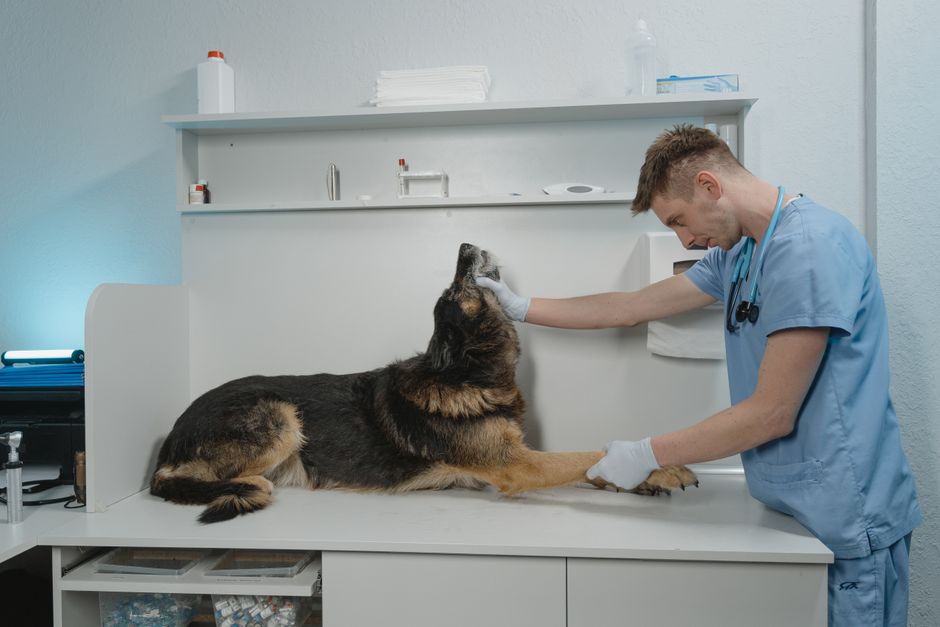
Fractures in dogs and cats are commonly managed through realignment and stabilization of the affected bone. Treatment approaches involve the use of pins, plates, screws, or external fixation devices, depending on the location and severity of the fracture. Our veterinary professionals are equipped to perform these surgeries in-house, supporting your pet through every step from diagnosis to recovery.
For joint dislocations, especially those involving the knee or hip, surgical intervention may be needed to restore normal function. Knee cap dislocation, known as patellar luxation, is a frequent issue in small breed dogs and can cause intermittent or persistent lameness. You can find more information about our approach on our Knee Cap Dislocation Surgery information for pets page.
Addressing Ligament Injuries and Joint Instability
Tears of the cranial cruciate ligament (the equivalent of the human ACL) are a leading cause of hind limb lameness in dogs. Surgical repair involves stabilizing the knee, often with advanced techniques that support a return to normal, pain-free movement. Our team offers specialized ACL Repair surgery for pets, helping pets of all sizes get back on their feet.
Managing Hip Dysplasia and Advanced Joint Problems
For pets with hip dysplasia or severe hip injuries, options like Femoral Head Ostectomy (FHO) surgery can relieve pain and restore mobility by removing the damaged portion of the hip joint. You can read more about this procedure and others like it on our Femoral Head Ostectomy (FHO) Surgery details page.
What to Expect Before and After Surgery
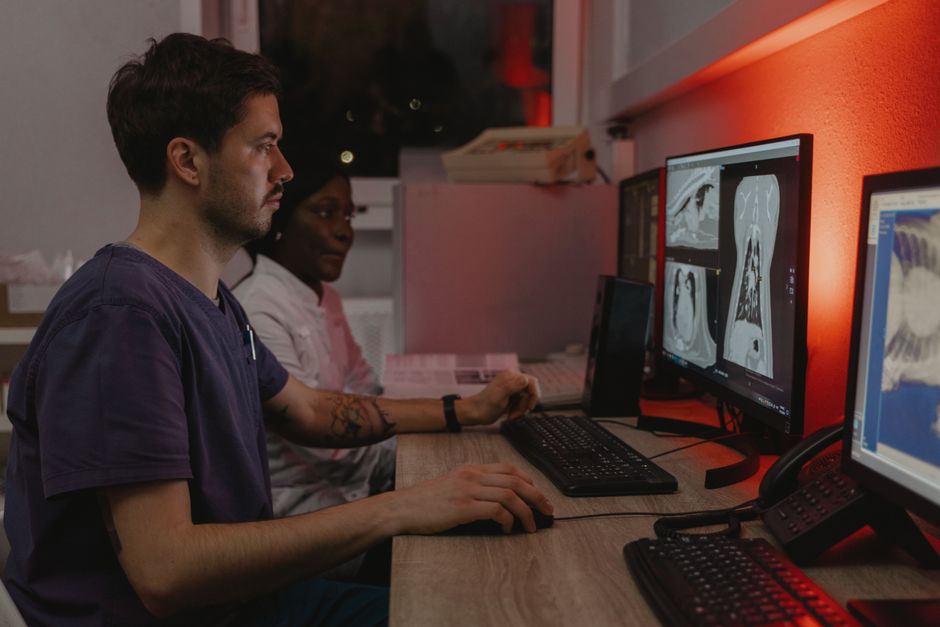
Our process begins with a thorough orthopedic evaluation, including imaging like digital radiology or ultrasound to confirm the diagnosis. On the day of surgery, your pet will be carefully monitored under anesthesia, with pain management and supportive care prioritized at every stage. After surgery, our team will provide detailed instructions for at-home care, pain control, and rehabilitation exercises to ensure the smoothest recovery possible.
Recovery timelines vary depending on the type of surgery and your pet’s individual health, but most pets benefit from a structured rehabilitation plan, regular follow-up visits, and gradual return to activity. Throughout the process, we’re here to answer your questions and offer guidance every step of the way, reinforcing our commitment to personalized, local pet orthopedic surgery in Flemington.
Preventing Orthopedic Problems and Supporting Recovery at Home
While not every orthopedic issue can be prevented, there are proactive steps you can take to protect your pet’s joints and bones. Maintaining a healthy weight is one of the most effective ways to reduce risk, as excess pounds place unnecessary strain on developing or aging joints. Regular, moderate exercise helps keep muscles strong and supports joint health, but it’s important to tailor activities to your pet’s age and breed.
Providing a safe environment can also prevent many injuries. This includes using ramps for older pets, supervising high-energy play, and minimizing slips on slick floors. After surgery, following your veterinarian’s instructions for restricted activity, wound care, and medication is crucial for a successful recovery. Physical therapy exercises may be recommended, and gradually increasing activity can help restore strength and range of motion.
If you have questions about home care or want to discuss preventive strategies, scheduling a wellness visit with our veterinary professionals is a great way to stay ahead of orthopedic issues and ensure your pet enjoys a long, active life.
When to Seek Veterinary Care: Getting Help in Flemington and Nearby Communities
Knowing when to call your veterinarian can be the difference between a minor setback and a serious, lasting injury. You should schedule an appointment right away if your pet is limping, unable to put weight on a limb, showing signs of pain, or has experienced a traumatic event such as a fall or accident. Additionally, sudden changes in behavior, persistent swelling, or wounds that do not heal all warrant prompt veterinary attention.
For chronic or progressive problems like stiffness, joint swelling, or reduced activity levels, early intervention can help slow disease progression and improve quality of life. Even if you are unsure, our team is always happy to offer guidance and determine whether an in-person assessment is needed. Remember that some orthopedic injuries require urgent care, so don’t hesitate to reach out if you have any concerns about your pet’s mobility or comfort.
If you’re searching for the “best veterinarian near me” or want to know more about pet orthopedic surgery in Flemington, Clover Hill Animal Hospital is a trusted resource for families throughout the area.
Compassionate, Comprehensive Care: Take the Next Step for Your Pet’s Mobility
Orthopedic issues can affect pets of any age or breed, and timely care is essential to restore comfort and activity. At Clover Hill Animal Hospital, our veterinary professionals are dedicated to providing advanced surgical solutions, personalized recovery plans, and ongoing support to every pet and family we serve. Whether your pet is recovering from an injury, living with a chronic joint condition, or you simply want to learn more about preventive care, we’re here to help.
If you’ve noticed changes in your pet’s movement or are concerned about fractures in dogs and cats, don’t wait to seek advice. Schedule an appointment today by calling (908) 806-4525 or visiting us at 240 US 202, Flemington, NJ 08822. Our veterinary team is proud to serve Flemington and surrounding communities, offering the expertise and compassion you expect from the “quality vet near me.” Learn more about our orthopedic veterinary services for pets or discuss your pet’s specific needs with our veterinarians. Together, we’ll help your pet regain mobility and enjoy life to the fullest.
This blog is intended for informational purposes only and should not be used as a substitute for professional veterinary advice. Always consult your veterinarian for diagnosis and treatment tailored to your pet’s unique needs. For more information about orthopedic surgery or to schedule a consultation, reach out to Clover Hill Animal Hospital’s veterinary professionals today.