Holiday Pet Safety Tips for Flemington Families

Holiday Pet Safety Tips for Flemington Families
The holiday season is a time of joy and togetherness, but for pet owners in Flemington and surrounding communities, it can also bring some unique challenges. With festive decorations, tempting foods, and unpredictable winter weather, your home transforms into a wonderland that can pose hidden risks for dogs, cats, and exotic pets. At Clover Hill Animal Hospital, we understand how much you cherish your furry and feathered family members. Our team of veterinarians at 240 US 202, Flemington, NJ is committed to helping you keep your pets safe, healthy, and happy all season long.
In this guide, we will share essential holiday pet safety tips, explore common Flemington winter pet hazards, and explain how you can protect your pets from seasonal dangers. Whether you are a dog lover, cat enthusiast, or the proud owner of an exotic companion, you will find practical advice to ensure your holiday celebrations remain joyful and worry-free. As your local resource for comprehensive veterinary services, we are here to support you with everything from preventive care to emergency support. If you ever have questions about pet wellness or holiday safety, our wellness care services are just a call away to help you navigate each season with confidence.
Recognizing Holiday and Winter Hazards: Keeping Pets Safe Through the Festivities
The holidays present an array of new sights, sounds, and smells for your pets, but not all of them are as harmless as they appear. Common holiday pet safety risks include everything from seasonal foods and decorations to environmental dangers brought on by cold weather in Flemington. Recognizing when these hazards may threaten your pet is the first step toward prevention.
Common Signs That Your Pet May Be in Danger
Symptoms that your pet may have encountered a holiday or winter hazard include vomiting, diarrhea, sudden lethargy, coughing, sneezing, or difficulty breathing. Additionally, if your pet is limping after being outside, shivering indoors, or showing signs of pain around the mouth or paws, these could be indicators of exposure to cold temperatures, toxic foods, or foreign objects. Cats may hide more than usual, while dogs might paw at their mouths or whine after ingesting something harmful. Exotic pets can show subtle signs such as refusing food or breathing irregularly, which require prompt attention.
How Holiday Decor and Festivities Create Hazards
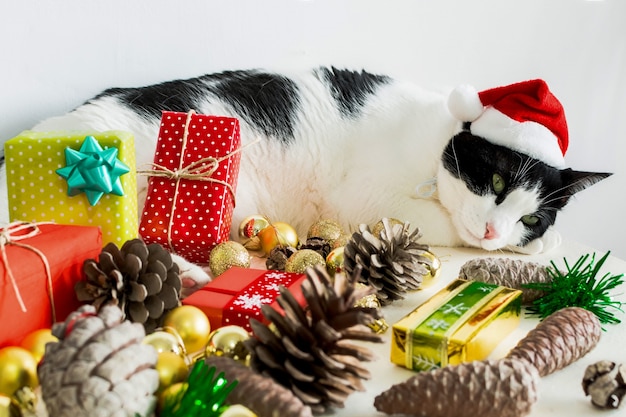
Holiday festivities often mean changes in your home environment that your pets are quick to notice. Brightly colored tinsel, ribbon, and ornaments can be irresistible to curious cats, leading to risks if swallowed. Dogs may be tempted by chocolate, grapes, or xylitol-sweetened treats that are toxic even in small amounts. For exotic pets, new plants brought indoors, like poinsettias or mistletoe, can be dangerous if nibbled. Even well-intentioned guests may accidentally leave doors open, allowing pets to escape into cold weather.
The winter months in Flemington also bring their own challenges. Ice-melting agents and rock salt used on sidewalks can irritate or burn pet paws, and antifreeze spills in driveways are highly toxic if licked. Shorter daylight hours and cold temperatures increase the risk of hypothermia, especially for small breed dogs, short-haired cats, and many exotic species. Awareness of these dangers is the foundation of effective holiday pet safety.
Why Holiday Hazards Happen: Understanding the Risks for Flemington Pets
The unique blend of holiday traditions and winter conditions in Flemington creates a perfect storm of potential hazards for pets. Understanding why these risks exist can help you make informed decisions and prepare your home accordingly.
Environmental and Behavioral Factors
During the holidays, pets are exposed to new objects and foods that are not part of their usual routine. Many curious animals will chew on electrical cords that power twinkling lights, or may gnaw on tree branches and decorative plants out of boredom or excitement. Dogs often use their powerful noses to find dropped food or unattended snacks, increasing the risk of accidental ingestion of toxic substances. Cats and exotic pets are agile climbers and explorers, giving them access to high shelves or tabletops decorated with fragile ornaments or candles.
The cold, damp winters in Flemington add another layer of concern. Outdoor pets or those going for walks may be exposed to rock salt and ice, which can cause irritation or injury when trapped between their toes. Hypothermia becomes a real concern during prolonged exposure to low temperatures, especially for pets with thin coats or limited mobility. Even indoor pets can be affected if they dart out during gatherings or if windows are left open for ventilation.
Holiday Stress and Routine Changes
Pets are creatures of habit, and the hustle and bustle of the holiday season can disrupt their daily routines. New visitors, loud noises, and altered feeding or exercise schedules can cause anxiety, leading pets to hide, vocalize, or act out in uncharacteristic ways. Exotic animals, in particular, are sensitive to changes in temperature and humidity, which can fluctuate as you entertain guests or bring in seasonal plants. These stressors can weaken immune systems, making pets more susceptible to illness or injury.
How We Treat and Support Pets Impacted by Holiday and Winter Hazards
If your pet encounters a holiday or winter hazard, prompt action is essential. At Clover Hill Animal Hospital, our veterinary team provides a full range of diagnostic, medical, and surgical services for pets suffering from accidental ingestion, injuries, or environmental exposure. Our approach is always tailored to the needs of each patient, whether canine, feline, or exotic.
Professional Treatments and Emergency Support
Treatment options depend on the specific hazard. For pets that have ingested toxic foods or plants, our veterinarians may induce vomiting, administer activated charcoal, or provide intravenous fluids to flush toxins from the system. Injuries from broken ornaments or chewed wires are managed with wound cleaning and repair, along with pain relief and antibiotics to prevent infection.
Hypothermia cases require gradual warming, careful monitoring of vital signs, and supportive care to prevent complications. For pets with irritated paws from ice or rock salt, we clean and soothe the affected areas, applying protective ointments as needed. Exotic pets may require specialized heating or environmental adjustments to stabilize their condition.
Our team also provides comprehensive emergency veterinary care for urgent situations, ensuring your pet gets immediate attention when every second counts. If you are unsure whether your pet’s symptoms require a visit, contacting our hospital for guidance is always the safest choice.
The Importance of Preventive Veterinary Care
Routine veterinary visits are an excellent way to safeguard your pets before hazards arise. Our wellness care services in Flemington include physical exams, nutritional counseling, and vaccination updates. Preventive care helps catch issues early and keeps your pet’s immune system strong, reducing the chances of serious complications from common Flemington winter pet hazards. Learn more about our wellness care services to see how we can support your pet year-round.
Preventing Holiday and Winter Dangers: Practical Safety Tips for Pet Owners
The best way to protect your pets during the holidays is through proactive prevention and thoughtful planning. Simple steps can make a significant difference in pet safety and wellbeing.
Safeguarding Your Home Environment
Begin by placing electrical cords and fragile decorations out of reach, and secure your Christmas tree to prevent tipping. Avoid using tinsel, ribbon, or small ornaments if you have curious cats or playful dogs. Store holiday treats and human foods in pet-proof containers; never leave plates unattended at pet level. Choose pet-safe plants and decorations to minimize temptation for exotic animals.
Wipe your pet’s paws and belly after walks to remove ice-melting chemicals and rock salt, and check for signs of irritation or injury. Limit outdoor exposure during very cold weather, and provide extra bedding or warm clothing for pets that are sensitive to the cold. For exotic pets, monitor enclosure temperatures closely, as even slight changes can have a big impact on their health.
Managing Holiday Gatherings and Stress
If you are hosting guests, create a quiet, safe space for your pet to retreat from the excitement. Keep doors and windows closed, and remind visitors not to feed your pets table scraps. Maintain your pet’s routine as much as possible, including regular feeding and exercise, to reduce anxiety. For pets that are particularly nervous or prone to stress, speak with your veterinarian about strategies to keep them calm during the holiday season.
Regular pet wellness exams are another proactive way to keep your pet healthy and catch any potential issues before they become emergencies. Our team can offer personalized advice for holiday pet safety based on your individual pet’s needs.
When to Seek Veterinary Care for Holiday and Winter Hazards
Even with the best prevention, accidents can happen. Knowing when to contact your veterinarian is crucial for your pet’s health and recovery.
Warning Signs That Require Immediate Attention
Seek veterinary care right away if your pet is vomiting, having seizures, or showing signs of severe pain after ingesting something unusual. Labored breathing, sudden collapse, unresponsiveness, or extreme lethargy are also emergency situations. Burns, cuts, or lacerations from decorations and holiday items, as well as signs of hypothermia such as shivering, weakness, or pale gums, require prompt medical evaluation.
Exotic pets that stop eating, have difficulty breathing, or are less active than normal should be examined as soon as possible, since their conditions can decline rapidly.
If you are ever in doubt, our emergency veterinary care is available to provide immediate support for urgent pet health situations. Quick action can make all the difference in your pet’s outcome.
Holiday Pet Safety Tips: Making This Season Joyful and Worry-Free
The holidays should be a time of happiness for every member of your family, pets included. Taking simple precautions, recognizing the signs of trouble, and knowing when to call your veterinarian can help ensure a safe and festive season for your dogs, cats, and exotic pets. At Clover Hill Animal Hospital, we are dedicated to supporting Flemington families with compassionate, comprehensive care all year long.
If you have any questions about holiday pet safety tips, want to discuss Flemington winter pet hazards, or need to schedule a wellness examination, reach out to our veterinary professionals today. We invite you to call (908) 806-4525 or visit us at 240 US 202, Flemington, NJ 08822 for trusted advice and quality veterinary services near me.
Remember, you are never alone in protecting your pets. Our team is here to help you navigate every season with confidence, keeping your companions healthy, safe, and ready to enjoy all of life’s celebrations. For additional support, explore our wellness care services or emergency veterinary care whenever you need us.
Medical Disclaimer: This blog is intended for informational purposes only and should not be used as a substitute for professional veterinary diagnosis or treatment. Always consult with your veterinarian for concerns about your pet’s health, especially in emergency situations.
For more information on holiday pet safety, you can also refer to trusted sources such as the American Veterinary Medical Association and the ASPCA Holiday Safety Tips.