Recognizing Signs of Internal Illness in Exotic Pets
Caring for exotic pets brings joy, wonder, and sometimes a unique set of worries. Whether you share your home with a curious parrot, a gentle rabbit, or a striking bearded dragon, you know that these special companions often hide their health problems until they become more serious. At Clover Hill Animal Hospital, located at 240 US 202, Flemington, NJ 08822, our team of veterinarians understands how subtle exotic pet symptoms can be and how quickly internal illness in pets can progress. This blog will help you recognize the most common signs of internal illness in birds, reptiles, and small mammals, explain what might cause these conditions, and guide you on when to seek professional help. We’ll also cover the value of pet diagnostics in Flemington and what you can expect during a visit. Your pet’s wellbeing is our top priority, and we’re here to help you build a strong relationship with a “vet near me” who truly understands exotic animals.
Noticing the Subtle Signs: When Should You Be Concerned?
Exotic pets are masters at hiding discomfort. Unlike dogs or cats, birds and small mammals often mask their symptoms, a survival trait that can make early detection challenging. Recognizing early warning signs of internal illness in pets is crucial for timely intervention. Common exotic pet symptoms include reduced appetite or a sudden refusal to eat, changes in droppings or urine, unexplained weight loss, and lethargy or decreased activity. You might also notice changes in breathing, such as open-mouth breathing in reptiles or tail bobbing in birds, as well as abnormal postures, visible swelling, or changes in skin or feather condition.
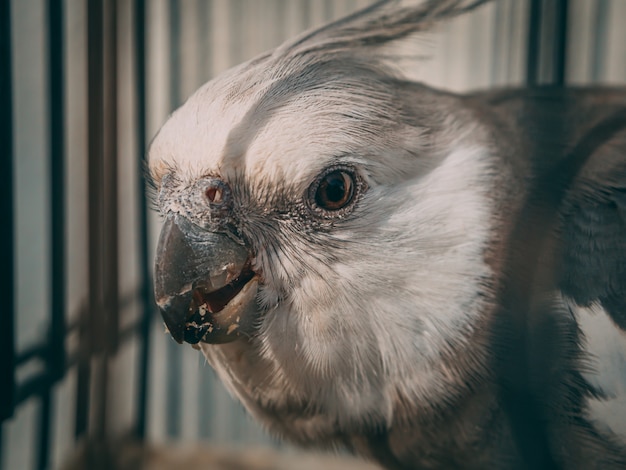
For example, a rabbit that sits hunched in the corner, a cockatiel fluffed up and unusually quiet, or a gecko that suddenly stops hunting crickets could be showing the first signs of an internal problem. These subtle shifts in behavior and appearance are often the earliest clues that something is amiss. Pet diagnostics near me are especially important for pets like these, as lab tests and imaging can find problems that are not obvious on the surface.
If you notice any of these exotic pet symptoms in your companion, it’s important to schedule an appointment with a veterinarian near me who has experience with exotic species. Our veterinary team in Flemington uses comprehensive wellness exams and advanced diagnostic tools to help uncover the root cause of changes in your pet’s health. Catching these signs early can make a real difference in your pet’s outcome.
Understanding Internal Illness in Birds, Reptiles, and Small Mammals
Internal illness in exotic pets can develop due to a variety of factors. Genetics, improper diet, environmental stress, and exposure to infections are all common contributors. Birds, for instance, are susceptible to respiratory infections, liver disease, and reproductive problems. Reptiles may experience metabolic bone disease, renal failure, or gastrointestinal blockages, often related to improper husbandry or nutrition. Small mammals such as rabbits, guinea pigs, and ferrets can develop dental disease, gastrointestinal stasis, or urinary tract issues.
Each species has its own vulnerabilities. For example, guinea pigs require a diet rich in vitamin C to prevent scurvy, while bearded dragons need proper UV lighting to avoid calcium deficiencies. Environmental conditions in Flemington and surrounding communities can also affect your pet’s risk, especially if humidity, temperature, or access to fresh foods is not well managed.
The underlying causes of internal illness in pets often remain hidden without specialized testing. That’s why pet diagnostic laboratory services in Flemington are a cornerstone of our approach. Through bloodwork, fecal analysis, and imaging such as ultrasound or radiographs, our veterinary professionals can identify issues like organ dysfunction, infection, or metabolic imbalances before symptoms become severe. You can learn more about our pet diagnostic lab services and how they support exotic pet care.
How Veterinary Professionals Diagnose and Treat Internal Illness in Exotic Pets
Diagnosing internal illness in exotic pets requires a careful, species-specific approach. During your visit, our veterinarians will begin with a thorough physical examination, paying close attention to subtle changes in weight, hydration, skin condition, and more. Depending on your pet’s symptoms, we may recommend diagnostic imaging, such as veterinary ultrasound services, to examine internal organs or detect masses, blockages, or abnormal fluid buildup.
Laboratory tests are often necessary to assess organ function, detect infections, or check for nutritional deficiencies. For example, a rabbit with reduced appetite may need bloodwork to rule out liver or kidney problems, while a bird that is losing feathers could benefit from testing for hormonal imbalances or viral infections.
Treatment options for internal illness in pets depend on the diagnosis. Approaches may include supportive care like fluid therapy, nutritional support, and medications tailored to your pet’s species and condition. In some cases, surgical intervention may be needed to remove blockages or repair organ damage. Our internal surgery services are performed with the utmost precision and care, ensuring your exotic pet receives the best possible outcome.
Throughout the process, our veterinary team will communicate clearly with you, explaining each step and answering your questions. We understand the emotional toll that a sick exotic pet can cause, and we make every effort to keep you informed and supported. Whether you need pet diagnostics in Flemington or advanced surgical care, we are here for every step of your pet’s journey.
Preventing Internal Illness in Exotic Pets: Home Care and Proactive Steps
While not all illnesses can be prevented, many internal health issues in exotic pets are linked to husbandry, diet, and environment. Taking steps at home to optimize your pet’s care can greatly reduce their risk of developing serious conditions. Ensuring a balanced, species-appropriate diet, maintaining proper temperature and humidity, providing clean water, and minimizing stress are key foundations. Regularly monitoring your pet’s weight, appetite, and behavior will help you recognize subtle changes early.
Scheduling routine wellness examinations with our veterinarians is another crucial part of prevention. During these visits, we can discuss your pet’s nutrition, habitat setup, and any concerns you may have. Our wellness care services are designed to support the long-term health of exotic pets in Flemington and surrounding communities, offering personalized recommendations based on your pet’s unique needs.
At home, gentle handling, regular enclosure cleaning, and providing environmental enrichment will keep your pet mentally and physically stimulated. Always research any new foods or supplements before offering them to your exotic companion, as some may be harmful. If you are ever unsure, our veterinary professionals are happy to guide you on best practices for your species.
When to Seek Veterinary Care for Exotic Pet Symptoms
It can be difficult to know when a situation is truly urgent, especially with exotic pets. However, there are certain symptoms that should always prompt a call to your veterinarian near me. These include refusal to eat or drink for more than 24 hours, labored breathing or open-mouth breathing, persistent diarrhea or vomiting, visible swelling or lumps, sudden paralysis or weakness, and any signs of bleeding or discharge from the eyes, nose, or vent. Changes in droppings, feather or fur loss, and listlessness that lasts more than a day are also reasons to schedule an appointment promptly.
If your exotic pet seems “off” in any way, trust your instincts and contact our veterinary team. Early intervention can mean the difference between a straightforward recovery and a serious health crisis. Our team at Clover Hill Animal Hospital is experienced in exotic pet symptoms and internal illness in pets, offering both routine and urgent care in Flemington. We are dedicated to providing veterinary services near me that you can rely on for your unique pet family members.
Remember that exotic pets can deteriorate quickly, so never wait if you are concerned. Our team is here to offer compassionate support, expert diagnostics, and advanced care every step of the way.
Compassionate Care for Exotic Pets in Flemington and Surrounding Communities
Every exotic pet deserves attentive, knowledgeable care—especially when their health is at stake. By learning to recognize subtle exotic pet symptoms and seeking veterinary diagnostics in Flemington at the first sign of trouble, you can help your bird, reptile, or small mammal enjoy a longer, healthier life. At Clover Hill Animal Hospital, our veterinarians are committed to providing the highest quality veterinary services near me, combining advanced pet diagnostic laboratory services in Flemington with a gentle, understanding approach.
If you have noticed unusual behavior, appetite changes, or any other concerns in your exotic pet, don’t hesitate to reach out. Schedule an appointment with our caring veterinary professionals at 240 US 202, Flemington, NJ 08822 or call us at (908) 806-4525. We are proud to support pet owners throughout Flemington and surrounding communities, providing trusted help when you need a “vet near me” for your exotic companion.
For more information about our pet diagnostic lab services or to schedule a comprehensive wellness examination, please contact our team today. Your pet’s health—and your peace of mind—are always our top priorities.
This blog is intended for educational purposes only and should not be used as a substitute for professional veterinary advice. If you suspect your pet is unwell, please contact a qualified veterinarian for an in-person evaluation.
Worried about something you read?
If any of this sounds like your pet, we're here to help.